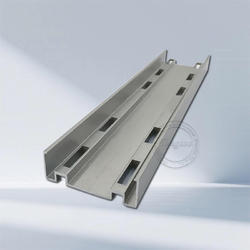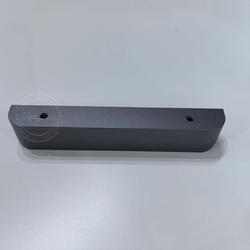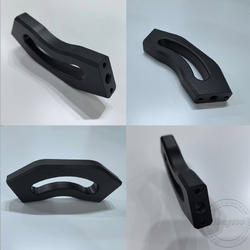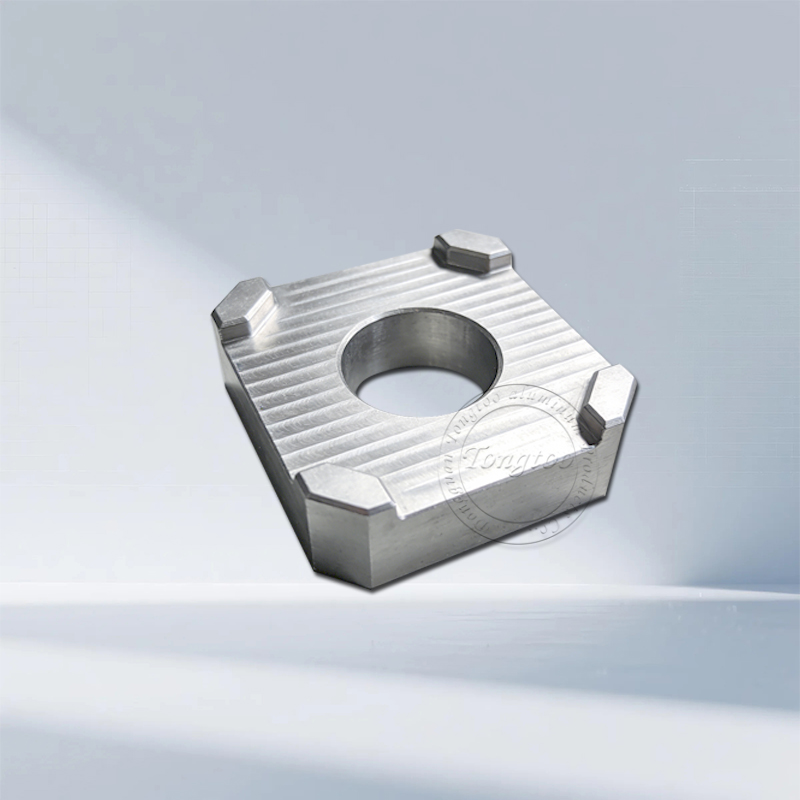
CNC Machining Car Parts
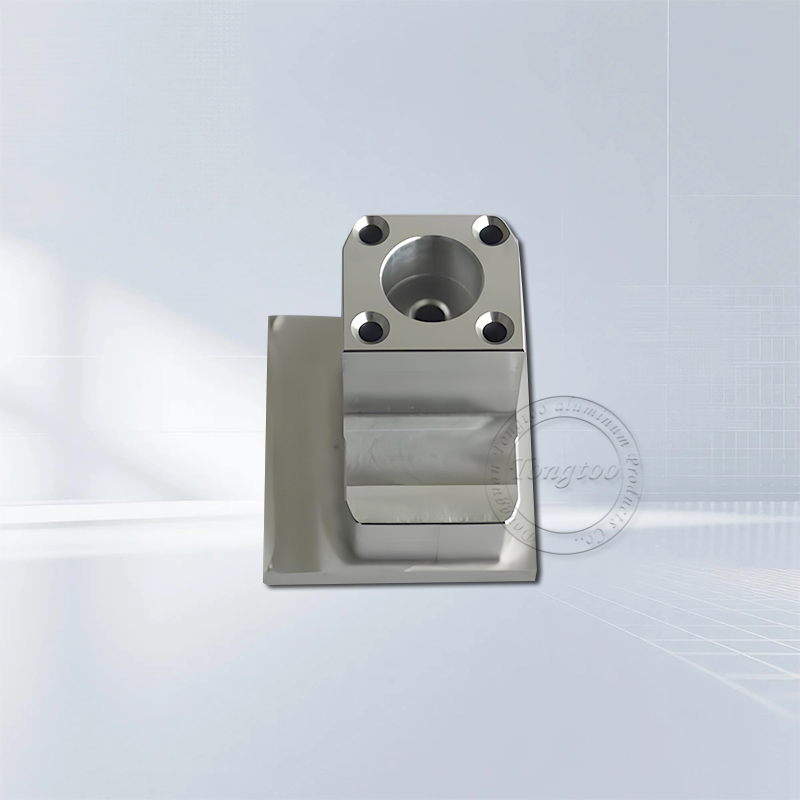
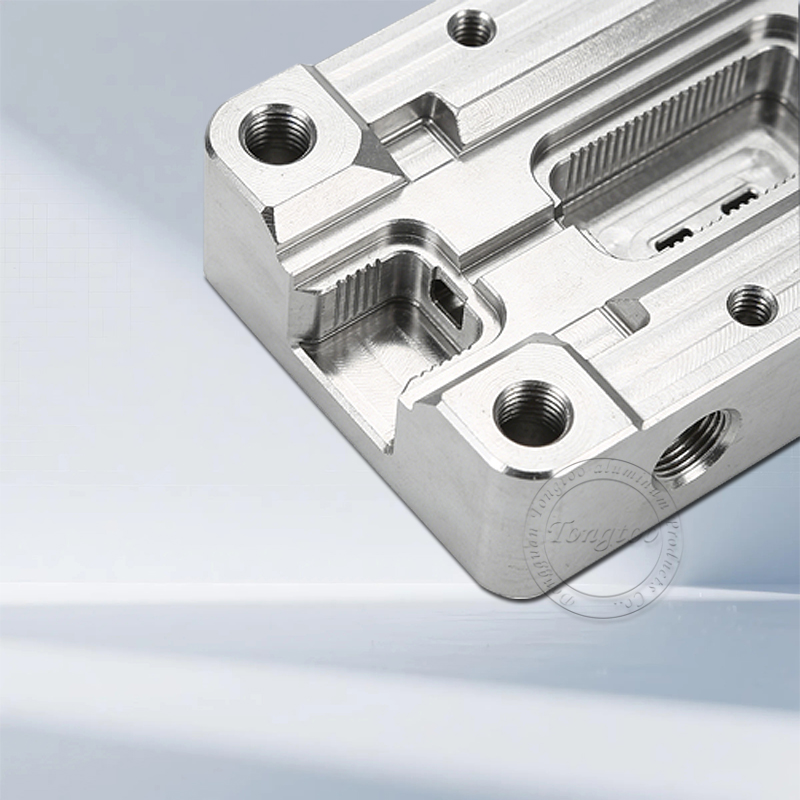
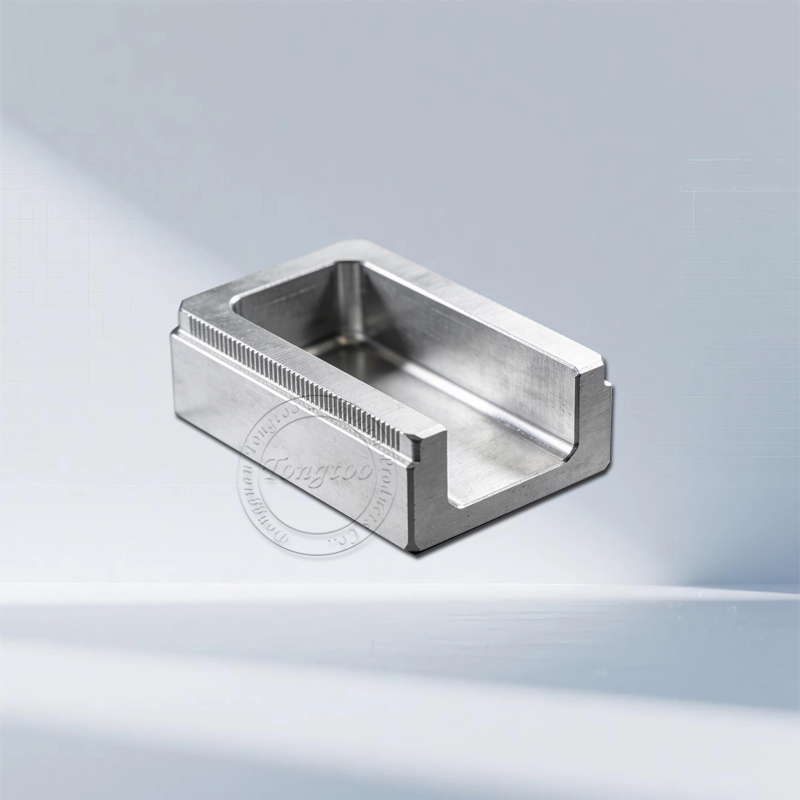
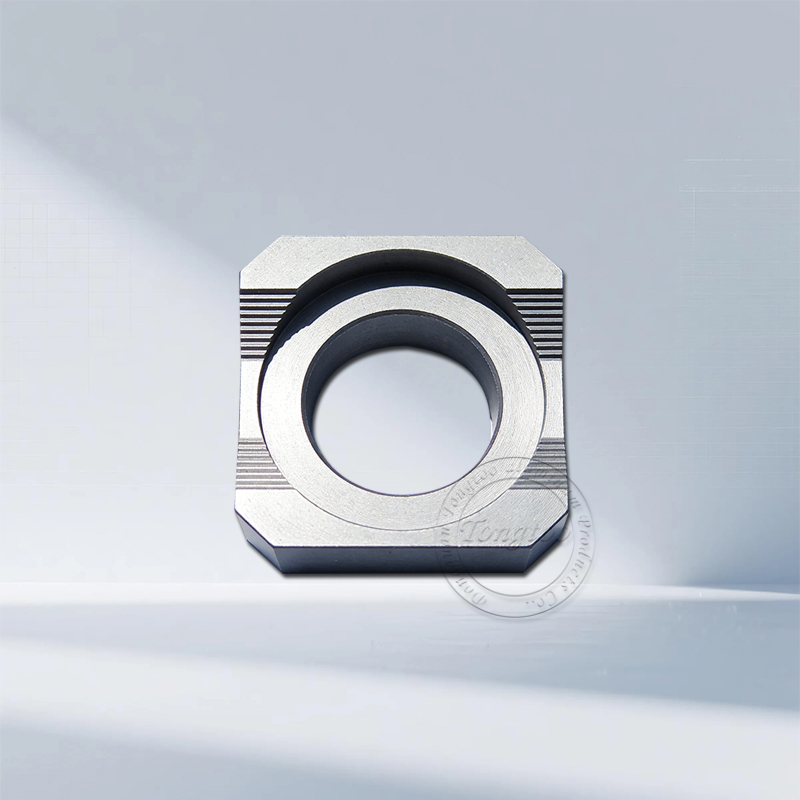
We specialize in precision CNC machining for aluminum alloys and profiles. Beyond our deep understanding of industry standards, we offer comprehensive, end-to-end solutions—ranging from design optimization and rapid prototyping to full-scale mass production. Equipped with advanced CNC milling machines and 3-axis/4-axis machining centers, we ensure that every product meets rigorous standards for precision and surface quality.
Product Description
Do you know why surface roughness values in aluminum alloy CNC machining are specifically 0.8, 1.6, 3.2, 6.3, and 12.5?
As a mechanical engineer, procurement specialist, or product designer, have you ever wondered—when reviewing drawings or RFQs for CNC-machined aluminum parts—why the surface roughness (Ra) options are always these seemingly "random" figures like 0.8, 1.6, and 3.2, rather than round numbers like 1.0, 2.0, or 5.0? This is no coincidence; it reflects the "preferred number series"—an unspoken standard of wisdom in global manufacturing. Today, we will delve into the secrets behind these numbers and explain how you can leverage this principle to optimize your precision aluminum machining projects.
I. Unveiling the Origins: The Industrial Aesthetics of "Preferred Number Series." These seemingly unique numbers actually stem from a significant mathematical standard: the R5 preferred number series.
You can think of it as a geometric progression with a common ratio of ⁵√10 ≈ 1.6.
Starting from 10:
10 × (1.6)⁰ = 10.0
10 × (1.6)⁻¹ ≈ 6.3
10 × (1.6)⁻² ≈ 4.0 (though 3.2 is actually more common; it belongs to the R10 series, a more granular standard)
10 × (1.6)⁻³ ≈ 2.5
10 × (1.6)⁻⁴ ≈ 1.6
10 × (1.6)⁻⁵ ≈ 1.0
After rounding and standardization, we arrive at the familiar series: Ra 0.8, 1.6, 3.2, 6.3, and 12.5. The advantage of this system is that the difference in performance or machining difficulty between any two adjacent values is approximately 60%. This offers immense convenience for product grading, tooling standardization, and cost estimation. II. Perfect Alignment with CNC Machining Practice
This set of theoretical standards aligns precisely with the actual process capabilities of aluminum alloy CNC machining, effectively becoming the industry's "common language."
Ra 12.5: Rough machining state; visible tool marks. Commonly used for non-mating surfaces and internal structural components that do not require assembly; a frequent choice for rapid prototyping and mock-ups to control costs.
Ra 6.3: Semi-finish machining; faint tool marks. Suitable for static mating surfaces and low-load contact areas; a common requirement for most machined parts, striking a good balance between cost and performance.
Ra 3.2: Finish machining; machining marks are barely discernible. This is the most common grade in precision machining, suitable for most components requiring a fit, such as bushings and mounting brackets. It can be consistently achieved using standard cutting parameters on CNC milling machines.
Ra 1.6: Precision-grade machining; smooth surface with no tool marks visible to the naked eye. Commonly used for critical components such as hydraulic systems, high-precision bearing housings, and sealing surfaces. May require higher spindle speeds, lower feed rates, or additional surface treatment.
Ra 0.8: Ultra-precision grade; initial mirror-like finish. Usually requires fine milling, diamond tooling, or subsequent polishing processes. Used for extremely demanding applications—such as optical platforms and high-end consumer electronics casings—placing very high demands on the precision and stability of the CNC machine.
III. Key Advice: Make Rational Choices to Optimize Costs. Understanding these principles offers two direct benefits for your project:
Avoid non-standard requirements to lower costs: If you specify Ra 2.0 or Ra 5.0 on a drawing, the machine shop may need to adjust its processes specifically to meet this "non-standard" requirement, driving up the quote. By selecting standard values like 0.8 or 1.6, the manufacturer can utilize established, mature process workflows, resulting in higher efficiency and naturally lower machining costs.
Clear communication to boost efficiency: Using industry-standard roughness specifications ensures seamless communication with CNC machine shops and precision machining service providers, preventing ambiguity and ensuring the final machined parts meet expectations. True expertise lies in the mastery of detail; behind seemingly simple specifications lie the accumulated wisdom and standards of a century of industrial practice. Partnering with a company that deeply understands these principles allows you to achieve superior results with greater efficiency in your aluminum alloy machining and custom non-standard parts projects.
We specialize in precision CNC machining for aluminum alloys and profiles. Beyond our deep understanding of industry standards, we offer comprehensive, end-to-end solutions—ranging from design optimization and rapid prototyping to full-scale mass production. Equipped with advanced CNC milling machines and 3-axis/4-axis machining centers, we ensure that every product meets rigorous standards for precision and surface quality.
We hope this article has answered your questions. If you have any aluminum alloy machining needs, please feel free to contact us for a professional quote and technical consultation.