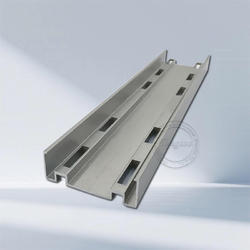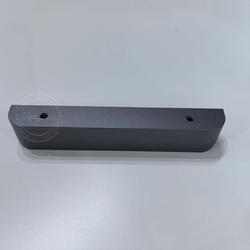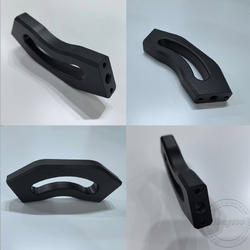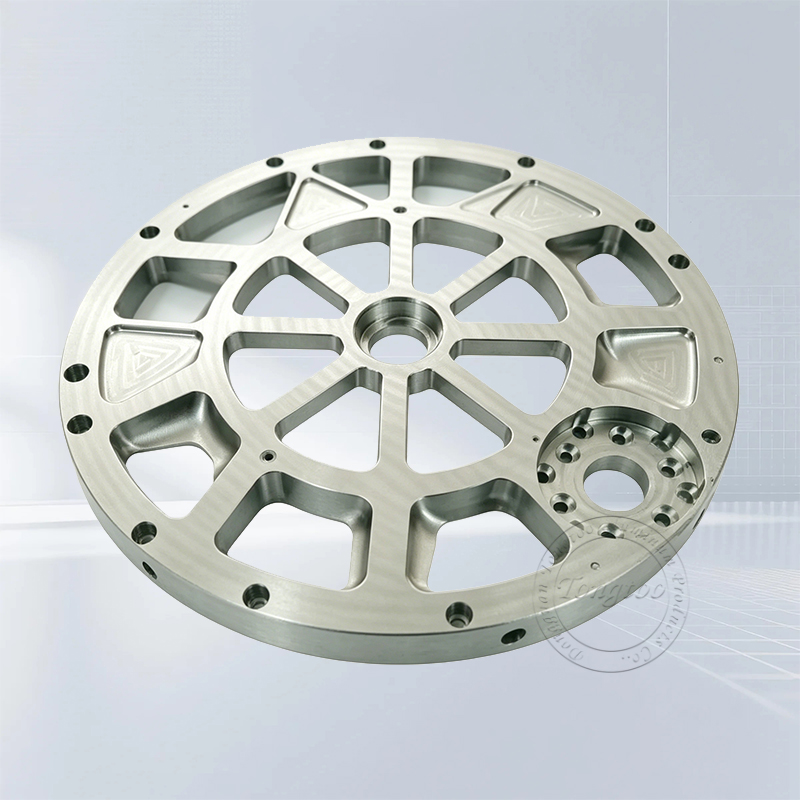
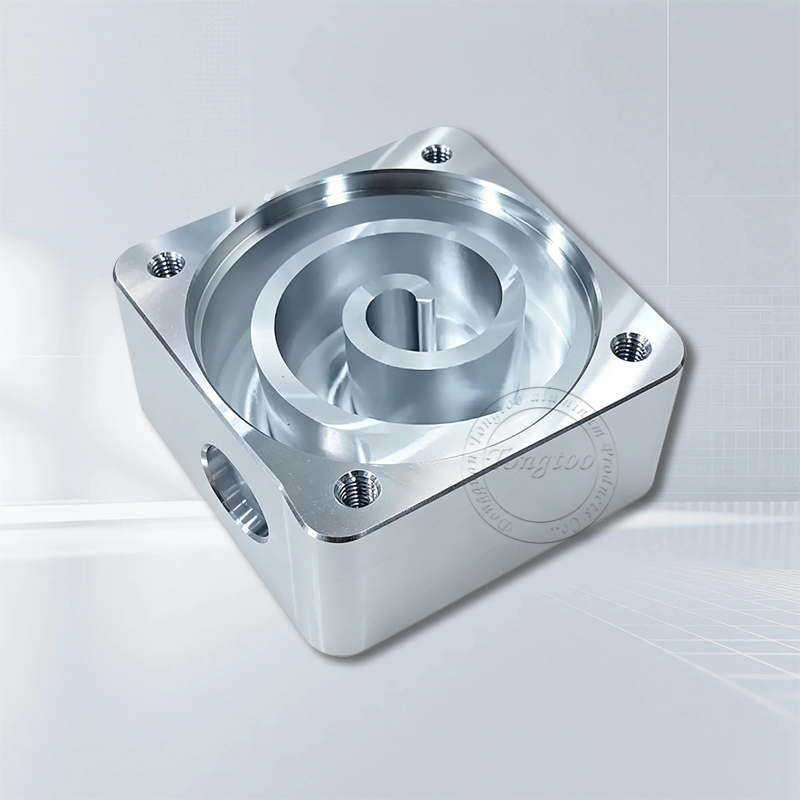
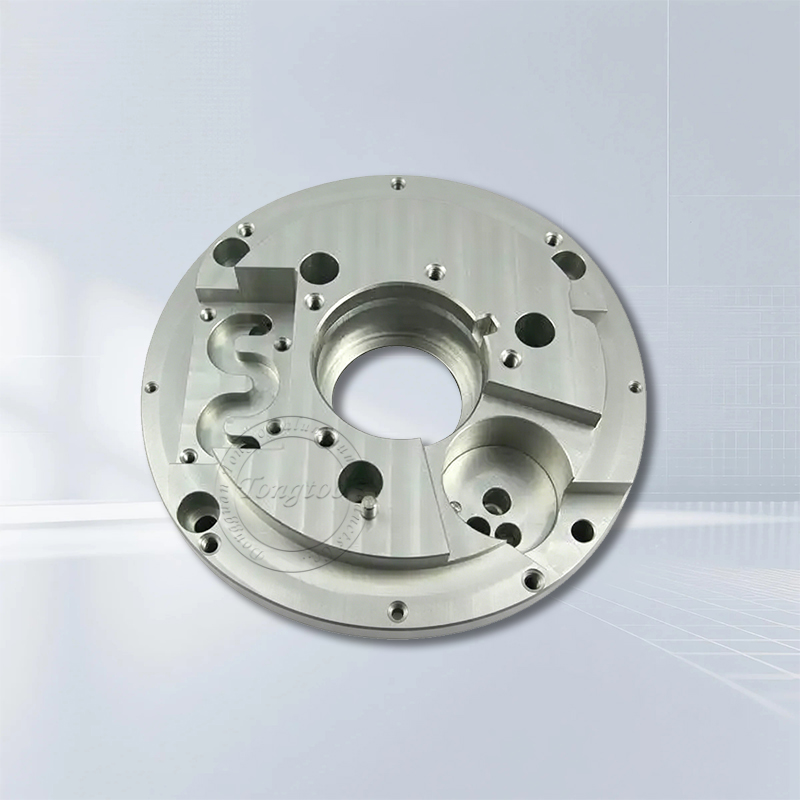
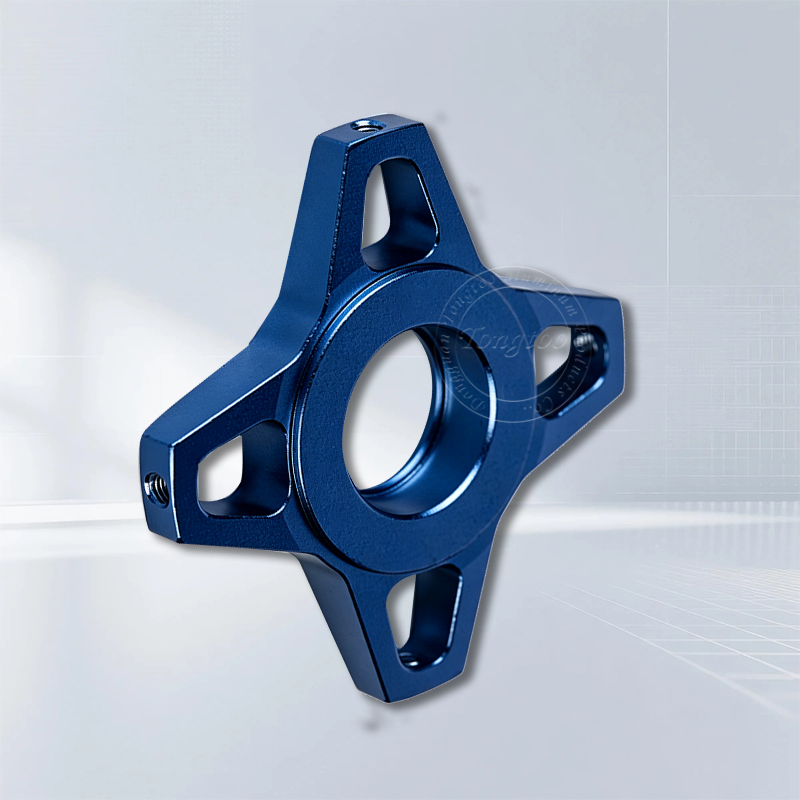
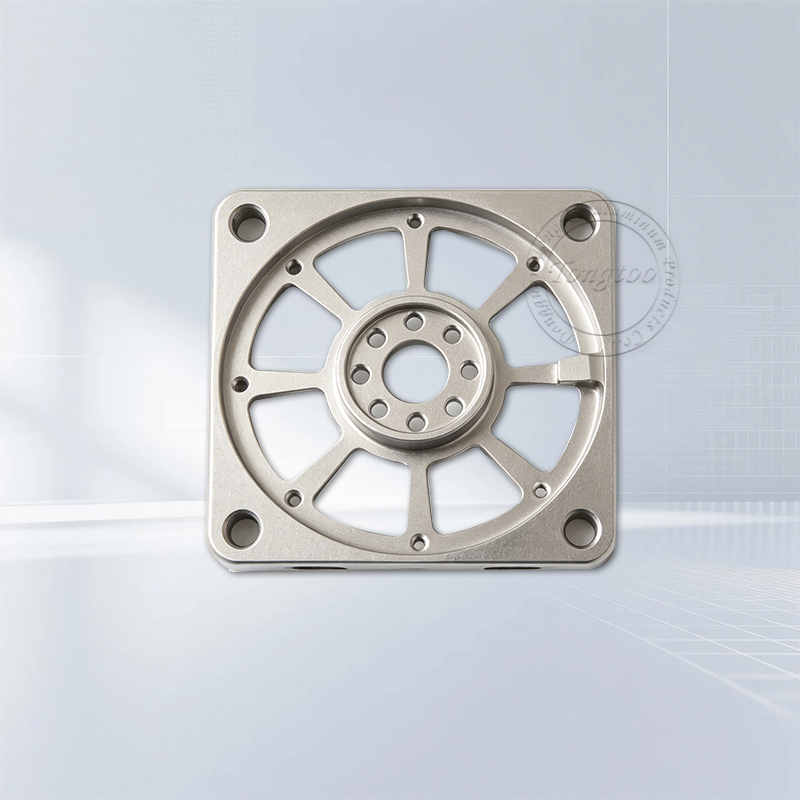
5-Axis CNC Parts Machining
5-Axis CNC Machining | 5-Axis Simultaneous Precision Machining | Medical Device Components | ±0.01mm High-Precision Machining
Product Description
5-Axis CNC Parts Machining
High-Precision 5-Axis Simultaneous Machining Services
5-Axis CNC Machining | 5-Axis Simultaneous Precision Machining | Medical Device Components | ±0.01mm High-Precision Machining
Product Overview
5-axis CNC machining is a computer numerical control (CNC) milling technology that achieves the precision machining of complex spatial surfaces through the simultaneous, coordinated movement of three linear axes (X, Y, Z) and two rotary axes (A, C). This technology enables multi-angle and multi-sided machining operations to be completed without the need to reposition the workpiece. Widely applied in high-end manufacturing sectors—such as medical devices, new energy vehicles, and humanoid robots—this technology serves as a key benchmark for assessing the sophistication of a nation's equipment manufacturing industry.
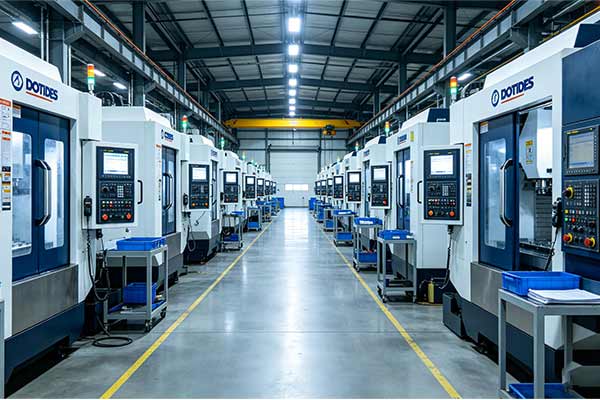
The core advantage of 5-axis machining lies in the principle of "single setup, five-sided completion." It consolidates complex processes—which would otherwise require multiple machines or multiple setups—into a single operation on a single machine. This significantly shortens production cycles and eliminates the cumulative positioning errors typically associated with multiple setups. Compared to traditional 3-axis machine tools, 5-axis equipment utilizes the coordinated movement of two rotary axes to allow the cutting tool to approach the workpiece surface at the optimal cutting angle. This approach prevents tool interference and minimizes tool overhang, thereby achieving superior machining precision and surface finish quality.
The primary structural types of 5-axis machine tools include cradle-type, vertical, and horizontal configurations. Common configuration schemes include the cradle-type dual-axis rotary table structure (where the workpiece pivots on two rotary axes), the swivel-head structure (where the cutting tool pivots on a rotary axis), and the turn-mill machining center (which integrates both turning and milling capabilities within a single machine). These configurations can be flexibly selected based on the specific geometric features of the part and the required production cycle times.
Key Technical Parameters
1. Machining Precision: Linear axis positioning accuracy of ±0.003mm, with a repeatability of ±0.0015mm; tilting axis (A-axis) positioning accuracy of ±5 arc-seconds, with a repeatability of ±3 arc-seconds; rotary axis (C-axis) positioning accuracy of ±8 arc-seconds, with a repeatability of ±5 arc-seconds. Tolerance control can be achieved within ±0.005mm (for high-end custom applications). 2. **Machining Range:** Maximum part dimensions are customizable (typically ranging from 0.5mm to 500mm). We support micro-hole machining (hole diameter ≥ 0.1mm, depth-to-diameter ratio up to 15:1), complex surface machining, and multi-sided machining.
3. Spindle Parameters: Features a BBT40 taper structure with a rated power of 15kW and a maximum speed of 12,000 rpm. Its rigidity is 25% higher than that of traditional structures, making it ideally suited for heavy-duty cutting applications.
4. Tool Magazine Configuration: Equipped with a 24-tool capacity magazine with a tool-change time of just 0.8 seconds, minimizing time spent on process switching and significantly boosting machining efficiency.
5. Programming System: Utilizes professional 5-axis programming software that supports various file formats—including STEP, IGES, and STL—and enables program simulation to minimize programming errors.
6. Inspection Equipment: Equipped with professional inspection tools such as Coordinate Measuring Machines (CMM) and spectrometers; precision checks are performed at every stage of the process to ensure that all products meet specified requirements.
Application Fields for 5-Axis CNC Machined Parts
New Energy Vehicles: Machining of components such as motor housings, battery trays, and body structural parts. Multiple operations can be completed in a single clamping setup, boosting mass production efficiency and reducing unit machining costs by approximately 10%.
Medical Equipment: Machining of high-precision, small-scale components such as artificial joints and surgical instruments. Surface roughness can reach Ra 0.8μm, and dimensional tolerances are controlled within ±0.005mm, meeting the rigorous standards of the medical industry.
Precision Instruments: Machining of precision accessories for electronic devices, instrument housings, sensor components, and more. We prioritize both dimensional accuracy and surface finish to meet the assembly requirements of high-end instrumentation.
Energy & Marine: Gas turbine blades, wind power gearbox components, oil/gas drill bits, marine propellers, critical structural components for offshore engineering equipment, etc.
Semiconductors & Precision Instruments: Structural components for semiconductor manufacturing equipment, optical mounts, precision measurement instrument parts, laboratory equipment accessories, etc.
Other Fields: Custom machining of complex, precision components for sectors such as robotics R&D, 5G communication equipment, mold manufacturing, and smart home devices. Machining processes can be optimized to suit the specific characteristics and requirements of each industry.
Quality Control System
We have established a comprehensive, closed-loop quality control system covering the entire process—from the receipt of raw materials to the shipment of finished products:
CMM Measurement: High-precision Coordinate Measuring Machines (CMM) are utilized for the comprehensive inspection of complex curved surfaces and critical dimensions.
Roughness Testing: Surface roughness testers are employed to ensure that Ra values meet the specifications outlined in the technical drawings.
Optical Inspection: High-definition industrial microscopes are used to detect minute features and surface defects.
Flaw Detection: Non-destructive testing (NDT) methods are applied to ensure the absence of internal defects, such as cracks or porosity.
Full-Dimensional Reporting: We provide First Article Inspection (FAI) reports and full-dimensional inspection reports for each batch, offering complete traceability back to every stage of the machining process.
Certifications & Qualifications: ISO 9001:2015 Quality Management System Certification.
Compliance with international standards such as CE and RoHS.
Customization Process (Transparent and Standardized to Alleviate Procurement Concerns)
1. Requirements Communication: The client provides 3D/2D part drawings (supporting formats such as STEP, IGES, and STL) and clearly specifies material requirements, machining tolerances, surface finishes, batch quantities, and delivery deadlines.
2. Process Evaluation & Quotation: Our engineering team evaluates process feasibility, optimizes the machining strategy, and issues a detailed quotation with no hidden costs.
3. Order Confirmation: The client reviews and confirms the quotation, signs the cooperation agreement, and pays the required deposit.
4. Programming & Trial Production: Professional engineers write the machining programs and design specialized fixtures. After the raw materials undergo incoming inspection, trial machining is performed on the equipment to fine-tune the parameters.
5. Batch Production & Quality Inspection: Once the trial production is approved, batch production begins. Random sampling inspections are conducted every two hours to continuously monitor machining accuracy and surface quality throughout the entire process.
6. Surface Treatment & Final Inspection: Surface treatments—such as anodizing, sandblasting, or polishing—are applied according to the client's requirements. A final, comprehensive inspection is then performed, and an inspection report is issued.
7. Packaging, Shipment & After-Sales Support: Products are packaged and shipped via the agreed-upon logistics channels. We provide a 30-day quality traceability period and offer dedicated support for any after-sales inquiries or needs.
With nearly two decades of accumulated expertise in precision CNC machining, we have successfully delivered over 50,000 precision parts. We possess a mature database of machining processes covering a wide range of difficult-to-machine materials, including medical-grade stainless steel and high-temperature alloys. We provide end-to-end engineering solutions—from material selection, fixture design, and toolpath planning to post-processing techniques.
Frequently Asked Questions (FAQ)
Q1: What are the main differences between 5-axis CNC machining and 3-axis machining?
5-axis machining incorporates two additional rotary axes (typically the A-axis and C-axis), enabling multi-angle precision machining on five sides of a workpiece in a single setup. This eliminates the positioning errors associated with multiple setups and allows for deep-cavity machining using shorter tools, resulting in superior surface quality and precision.
Q2: What level of precision can be achieved with 5-axis machining?
For 5-axis precision machining, tolerances are typically controlled within ±0.01 mm to ±0.05 mm. High-precision applications can reach tolerances of ±0.005 mm, with surface roughness (Ra) achieving values below 0.4 μm. The specific level of precision attainable depends on the structural complexity of the part and the characteristics of the material used.
Q3: Is 5-axis machining suitable for small-batch production?
Yes. The high flexibility of 5-axis machining makes it ideally suited for the precision manufacturing of a wide variety of parts in small batches. The seamless integration of CAD/CAM software with the machine control system—combined with the rapid switching of CNC code and tooling fixtures—significantly shortens product iteration cycles.
Q4: How can I get a quote?
Please send your 2D/3D drawings (in STEP, IGS, or STP format) along with your technical specifications to our email address or submit them via our online form. We will provide a preliminary quote and process recommendations within 24 hours.
Q5: What is the Minimum Order Quantity (MOQ)?
We accept prototyping orders starting from just one piece. For batch orders, the MOQ is flexible and can be negotiated based on the complexity of the parts and the type of material required.
Q6: How long is the typical lead time?
The standard lead time for prototyping is 7–14 business days (including process programming time). Batch orders are typically delivered within 20–30 business days, depending on the order quantity. Expedited processing can be arranged for urgent orders upon request.
Contact Us
Get a quote now or consult with us regarding your 5-axis CNC part machining requirements.
Submit your drawings and specifications to receive professional feedback and a quote within 24 hours.